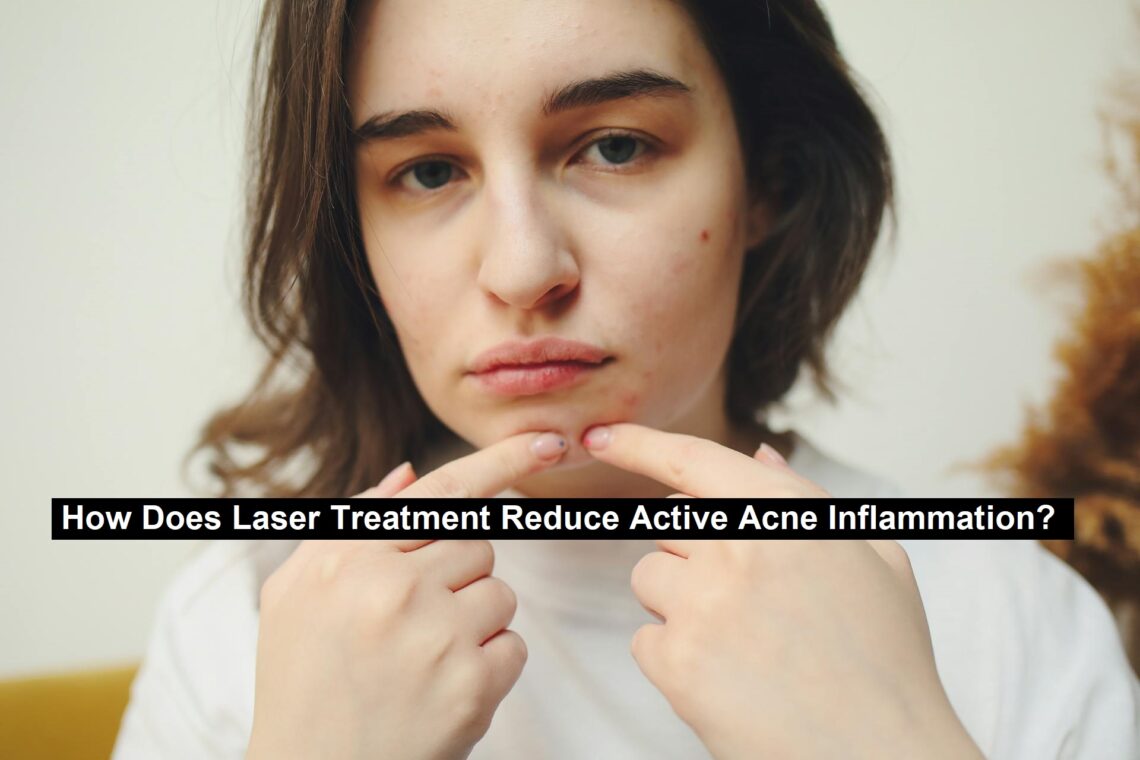
Active acne is not simply a surface condition. It represents a chronic inflammatory process involving the pilosebaceous unit, immune signaling pathways, and microbial activity. While topical and oral medications remain the foundation of acne care, laser and light-based treatments are increasingly used to support inflammation control, particularly in patients who experience persistent breakouts or poor tolerance to traditional therapies.
As people age, acne biology often changes. Sebum production may decline, but inflammatory sensitivity increases, the skin barrier becomes more fragile, and healing slows. These shifts can make conventional acne treatments harder to tolerate and less predictable. For patients considering acne laser Singapore options, understanding how lasers influence inflammation rather than simply drying the skin helps clarify their role in modern acne management.
Why Controlling Inflammation Matters in Acne Over Time
Inflammation is central to acne development at every stage. Even before visible lesions appear, immune activation occurs within the follicle. Cutibacterium acnes stimulates toll-like receptors on keratinocytes and immune cells, triggering cytokines such as interleukin-1 and tumor necrosis factor-alpha. These signals promote follicular wall rupture, leading to papules, pustules, and nodules.
With aging, inflammatory resolution becomes less efficient. Microvascular circulation declines, collagen turnover slows by approximately 1% per year after early adulthood, and post-inflammatory changes persist longer. This means that uncontrolled inflammation increases the risk of scarring and post-inflammatory hyperpigmentation later in life. Treatments that reduce inflammatory signaling without excessive barrier disruption are therefore medically relevant, not purely cosmetic.
Screening and Identifying Candidates for Laser-Based Acne Care
Not all acne benefits equally from laser or light-based treatments. Clinical assessment helps determine whether inflammation, bacterial activity, sebaceous gland overactivity, or follicular obstruction is the dominant driver.
Dermatologists typically assess:
- Lesion type (comedonal vs inflammatory vs nodulocystic)
- Distribution (face, jawline, trunk)
- Skin thickness and sensitivity
- History of treatment response and irritation
Laser therapy is often considered in patients with moderate inflammatory acne, recurrent flares despite topical therapy, or intolerance to systemic medications. A dermatologist in Singapore may also evaluate skin tone and pigmentation risk, as treatment parameters must be adjusted to minimize post-inflammatory hyperpigmentation in darker skin types.
Daily Care and Lifestyle Factors That Influence Laser Outcomes
Laser treatment does not replace daily acne care. Instead, it works best when combined with supportive routines that stabilize the skin environment.
Gentle cleansing helps remove surface debris without triggering barrier disruption. Over-cleansing or aggressive exfoliation may increase inflammation, counteracting the benefits of laser therapy. Non-comedogenic moisturizers containing ceramides or glycerin support barrier recovery, particularly after in-clinic procedures.
Sun protection is also important. Although acne lasers target deeper structures, ultraviolet exposure increases inflammatory mediators and melanocyte activity, potentially worsening post-treatment redness or pigmentation. Broad-spectrum sunscreen with SPF 30 or higher is generally recommended during treatment courses.
Lifestyle factors such as sleep quality and stress management may indirectly influence outcomes. Chronic stress elevates cortisol, which can stimulate sebaceous glands and inflammatory pathways, contributing to acne persistence.
Age-Related and Chronic Conditions Affecting Inflammatory Acne
Adult acne often overlaps with other skin conditions that influence inflammation. Rosacea may coexist with acneiform lesions, requiring careful differentiation, as some lasers may benefit both conditions while others may exacerbate flushing.
Hormonal changes during perimenopause can alter sebaceous activity and inflammatory thresholds, leading to acne that is less oily but more persistent. In these cases, aggressive drying agents may worsen irritation, making laser-based approaches more attractive as adjunctive therapy.
Patients with a history of eczema or compromised barrier function also require cautious parameter selection, as excessive thermal injury can worsen sensitivity rather than improve acne control.
Prescription Treatments Versus Over-the-Counter Options
Over-the-counter acne treatments typically target surface factors. Benzoyl peroxide at 2.5–5% reduces bacterial load, while salicylic acid at 0.5–2% promotes exfoliation. These agents can be effective but often cause dryness and irritation when used continuously.
Prescription therapies allow for more targeted modulation of acne pathways. Topical retinoids such as adapalene 0.1–0.3% or tretinoin 0.025–0.1% normalize follicular keratinization and reduce microcomedone formation. Oral antibiotics reduce inflammatory mediators but are usually limited to short courses due to resistance concerns.
Laser treatments differ in that they do not rely on chemical irritation. Instead, they modulate inflammation, bacterial activity, or sebaceous function through controlled energy delivery. Clinical improvement from lasers is typically gradual and additive, often becoming noticeable over several sessions spaced weeks apart.
Read: The Way to Turn Out to Be a Nursing Supervisor?
In-Clinic Laser and Light-Based Treatments for Acne
Several laser and light modalities are used in active acne management, each targeting different mechanisms.
Blue and red light therapies primarily reduce C. acnes by activating bacterial porphyrins, leading to reactive oxygen species formation. These treatments can reduce inflammatory lesions without affecting surface hydration.
Diode and Nd:YAG lasers penetrate deeper into the dermis, generating controlled thermal effects that reduce sebaceous gland activity and inflammatory signaling. Gradual reduction in oil production may occur over weeks, rather than abruptly, which helps avoid excessive dryness.
Intense pulsed light (IPL) targets both vascular and pigmented components of inflammation, potentially reducing redness and inflammatory burden. Treatment parameters are carefully adjusted based on skin type and acne severity.
Laser treatments do not eliminate sebaceous glands or permanently suppress immune function. Instead, they aim to reduce excessive activity and stabilize inflammatory responses over time.
What Our Dermatologist Says
In my clinical practice, I often see patients who expect laser treatments to act like a quick fix for acne. In reality, lasers work by gently shifting the skin’s inflammatory environment rather than aggressively suppressing it.
I explain that improvement is typically gradual. Laser therapy often works best as part of a broader plan that includes appropriate topical treatment and barrier support. Patients who understand this tend to be more satisfied with long-term outcomes.
Putting This Into Practice
- Have acne severity and skin type clinically assessed
- Continue gentle daily skincare alongside laser treatment
- Use non-comedogenic moisturizers to support barrier recovery
- Apply sun protection consistently during treatment courses
- Attend scheduled sessions to allow cumulative improvement
When to Seek Professional Help
- Moderate to severe inflammatory acne not responding to topical therapy
- Recurrent acne flares with significant redness or pain
- Intolerance to oral or topical medications
- Acne associated with early scarring or pigmentation
- Interest in device-based treatments requiring medical supervision
Commonly Asked Questions
Does laser treatment kill acne bacteria?
Some light-based treatments reduce C. acnes activity, but lasers primarily work by reducing inflammation and sebaceous stimulation.
Will laser treatment dry out my skin?
Laser treatments typically reduce inflammation without causing the same degree of surface dryness seen with some topical agents.
How many sessions are usually needed?
Many patients require three to six sessions, depending on acne severity and treatment type.
Can lasers replace medication completely?
Lasers often complement, rather than replace, topical or systemic treatments.
Is laser treatment suitable for all skin tones?
Yes, but settings must be carefully selected to minimize pigmentation risk in darker skin types.
Next Steps
Laser therapy offers a controlled, biologically targeted way to reduce active acne inflammation without relying solely on drying or irritating agents. For patients with persistent inflammatory acne or difficulty tolerating traditional treatments, consultation with a dermatologist can help determine whether laser-based approaches are appropriate as part of a comprehensive, evidence-based care plan.