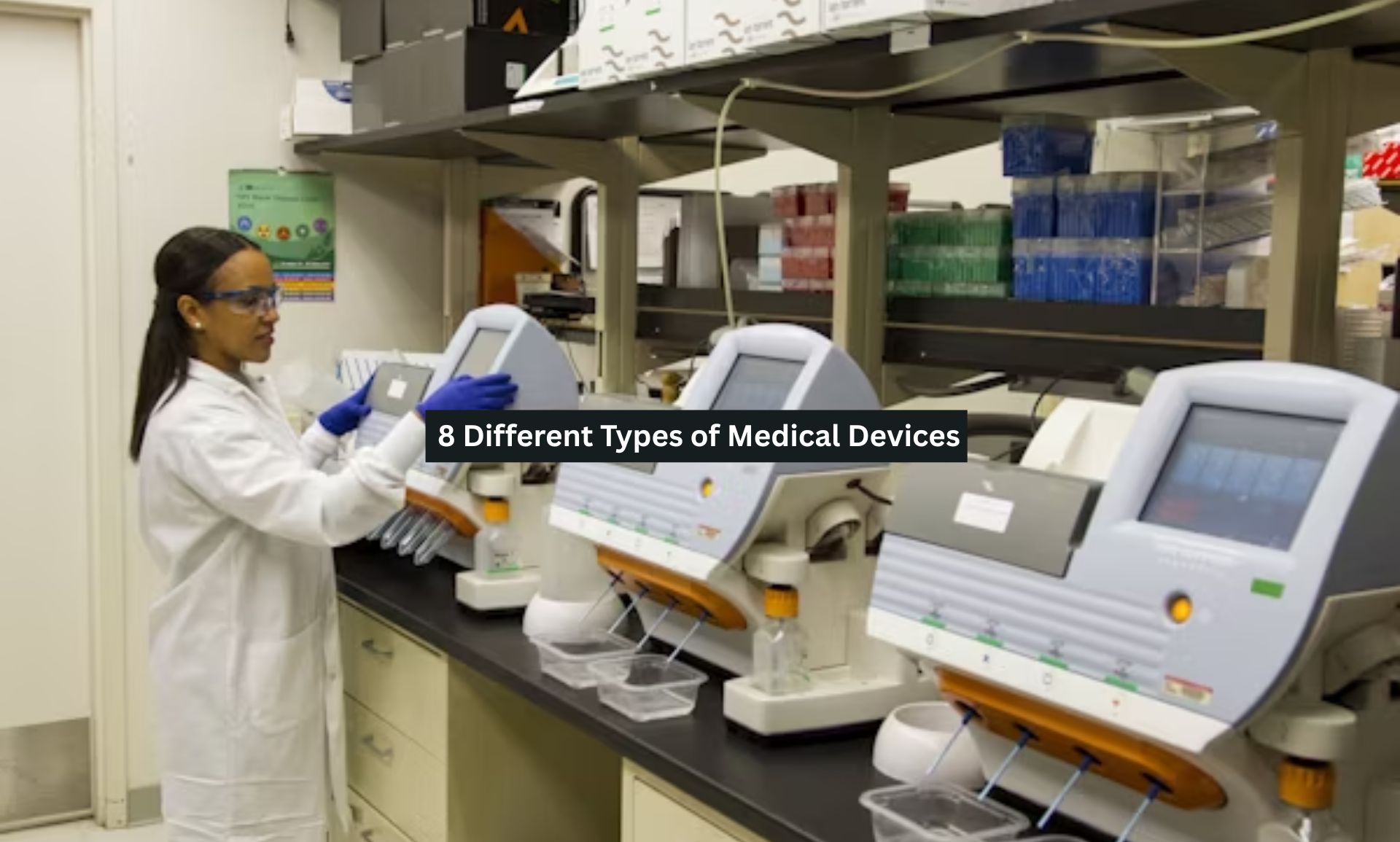
Medical gadgets range from simple tongue depressors and bedpans to complicated programmable pacemakers, and closed loop synthetic pancreas systems. Additionally, medical gadgets include in vitro diagnostic (IVD) products, including reagents, take a look at kits, and blood glucose meters. Sure radiation-emitting electronic products which have a medical use or make scientific claims are also taken into consideration scientific gadgets. Examples of those include diagnostic ultrasound merchandise, x-ray machines and clinical lasers.
Tool Determination Steps
The following steps can be helpful whilst looking to determine if a product is regulated with the aid of the FDA as a clinical device.
Step 1: Decide If Your Product Meets the Definition of a Clinical Device According to Section 201(h) of the Food, Drug & Beauty Act
Step 2: Decide If the Ideal Product Class Exists to Your Product
Step 1: Determine If Your Product Meets the Definition of a Medical Tool
The FDA considers a product to be a tool, and situation to FDA law, if it meets the definition of a scientific device consistent with segment 201(h) of the food, drug, and beauty act.
To determine in case your product meets the definition of a medical tool, you should define the meant use and symptoms to be used of your product. Once you’ve got defined the meant use and indications for use of your product, you can determine if the product meets the definition of a clinical device.
Step 2: Determine If an Appropriate Product Category Exists for Your Product
In figuring out in case your product is regulated as a clinical tool, it could also be useful to search for existing product classifications that may follow on your product. Finding an current category that describes your product’s intended use or design is a good indicator that it is probably a clinical tool. Three techniques to determine if a product class exists for your product are mentioned beneath. For in addition information on a way to classify a scientific device, please discuss with the Classify Your Tool page.
Technique 1: Seek the Product Classification Database
You may seek the FDA Product Classification Database to decide if there may be an existing product class that applies for your product:
- Use the fast seek function to search via key-word(s). Please note, you can want to conduct a couple of searches the usage of a selection of keywords that describe your product (for example, seek both “stent” and “stents”).
- Use the advanced seek function to search by product code, regulation number, or device class.
Technique 2: Look for Comparable Devices
In case you identify a comparable device legally advertised in the United States, you may look for an FDA letter or order that permits marketplace authorization. The facts in the letter or order for a similar device type would possibly help you decide the class of your tool.
The FDA choices that allow marketing authorization are public information and may be found by using searching the following databases:
- Premarket Approval (PMA) – Most class III (excessive hazard) devices require PMA before they may be legally advertised.
- Premarket Notification 510(k) – Most class II (mild danger) devices require 510(k) clearance.
- De Novo – Provides a path to classify novel low to slight risk devices.
- Humanitarian Device Exemption (HDE) – Market path for rare disease-related devices.
Technique 3: Look for Comparable Devices Through Device List
You could look for a legally marketed device’s product classification by reviewing its device list records. Device listing data may be found via searching the FDA’s Establishment Registration and Device Listing Database.
Additional Considerations
Is Your Product a Device Software Feature?
The FDA refers to software functions which are device features as “device software program capabilities.” These may include “software as a medical device (SaMD)” and “software in a medical device (SiMD).” If deployed on a mobile platform, it may be called a “cell scientific app.”
More information is available on the Mobile Medical Applications and SaMD pages.
Is Your Product Intended for General Well-Being?
If your product is intended for general well-being use only, and is low risk, it might not be actively regulated by the FDA. Refer to the guidance document General Wellness: Policy for Low Risk Devices.
Does Your Product Include Drugs or Biologics?
Combination products combine drugs, devices, and biological products. If you believe your device fits this category, refer to the FDA Combination Products page.